Yönetmen
Stanley Kubrick
26 Temmuz 19287 Mart 1999 · 70 yaşındaNew York City, New York, USAPopülerlik 4.4
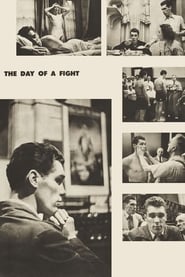
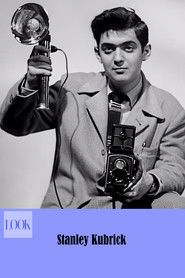
Stanley Kubrick, 26 Temmuz 1928 tarihinde Manhattan, New York, ABD'de dünyaya geldi. Sinema tarihinin en yenilikçi, titiz ve etkili yönetmenlerinden biri olarak kabul edilen Kubrick, kariyerine 1940'larda New York'taki Look dergisinde fotoğrafçı olarak başladı. Bu deneyim, onun kendine özgü görsel stilinin ve kompozisyon konusundaki ustalığının temellerini attı. 1950'lerin başında "Day of the Fight" (1951) gibi kısa belgesellerle yönetmenliğe adım attı. Kendi finanse ettiği ilk uzun metrajlı filmleri "Fear and Desire" (1953) ve "Killer's Kiss" (Katilin Öpücüğü) (1955) ile sinemaya giriş yaptı...

Biyografi
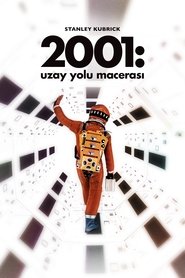
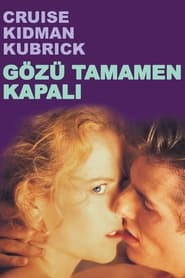
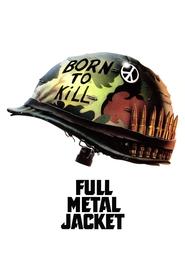
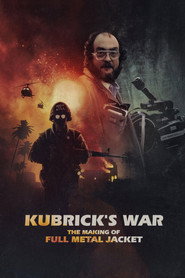
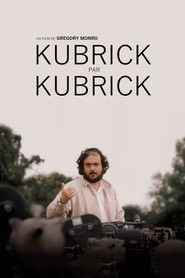
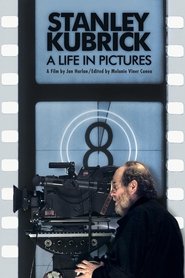
Stanley Kubrick, 26 Temmuz 1928 tarihinde Manhattan, New York, ABD'de dünyaya geldi. Sinema tarihinin en yenilikçi, titiz ve etkili yönetmenlerinden biri olarak kabul edilen Kubrick, kariyerine 1940'larda New York'taki Look dergisinde fotoğrafçı olarak başladı. Bu deneyim, onun kendine özgü görsel stilinin ve kompozisyon konusundaki ustalığının temellerini attı. 1950'lerin başında "Day of the Fight" (1951) gibi kısa belgesellerle yönetmenliğe adım attı. Kendi finanse ettiği ilk uzun metrajlı filmleri "Fear and Desire" (1953) ve "Killer's Kiss" (Katilin Öpücüğü) (1955) ile sinemaya giriş yaptı. Asıl çıkışını ise karmaşık kurgusuyla dikkat çeken "The Killing" (Son Darbe) (1956) adlı soygun filmiyle gerçekleştirdi. Bu filmi, Kirk Douglas'ın başrolünde olduğu, I. Dünya Savaşı'nı konu alan güçlü savaş karşıtı filmi "Zafer Yolları" (Paths of Glory) (1957) takip etti ve bu filmle uluslararası alanda tanındı. 1960 yılında, yapım sürecinde anlaşmazlıklar yaşadığı ve sanatsal kontrolünü tam olarak kullanamadığı tek filmi olan "Spartaküs" (Spartacus) filmini yönetti. Bu deneyimin ardından, stüdyo sisteminin kısıtlamalarından kaçınmak için İngiltere'ye taşındı ve kariyerinin geri kalanını burada geçirdi. İngiltere'de çektiği ilk film, tartışmalı bir roman uyarlaması olan "Lolita" (1962) oldu. Ardından, Soğuk Savaş hicvi ve kara komedinin zirvelerinden biri olarak kabul edilen "Dr. Garipaşk" (Dr. Strangelove or: How I Learned to Stop Worrying and Love the Bomb) (1964) filmini yönetti. 1968'de, sinema dilini yeniden tanımlayan, çığır açıcı bilimkurgu başyapıtı "2001: Bir Uzay Destanı" (2001: A Space Odyssey) ile sinema tarihine geçti. Bu filmi, şiddet ve özgür irade temalarını işleyen, distopik bir kült klasiği haline gelen "Otomatik Portakal" (A Clockwork Orange) (1971) izledi. 1975'te, tamamı doğal ışık ve mum ışığı kullanılarak çekilen, teknik ve görsel bir şaheser olan "Barry Lyndon" (1975) ile eleştirmenlerin beğenisini topladı. 1980'de, psikolojik korku türünün en ikonik filmlerinden biri olan "Cinnet" (The Shining) ile gişede büyük başarı yakaladı. Yedi yıllık bir aradan sonra, Vietnam Savaşı'nı konu alan "Full Metal Jacket" (1987) ile bir kez daha savaş temasını işledi. Kubrick, son filmi olan "Gözleri Tamamen Kapalı" (Eyes Wide Shut) (1999) filminin kurgusunu tamamladıktan kısa bir süre sonra, 7 Mart 1999 tarihinde 70 yaşındayken Childwickbury Manor, Hertfordshire, İngiltere'deki evinde uykusunda geçirdiği kalp krizi nedeniyle hayatını kaybetti.