Sezon 2

2015
10 Bölüm

Bölümler

Bölüm açıklamaları:
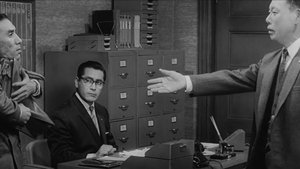
The Bad Sleep Well (1960) - The Geometry of a Scene
1. Bölüm

The Bad Sleep Well (1960) - The Geometry of a Scene

28 Ocak 20157 dk🇬🇧 EN

One of Akira Kurosawa’s many gifts was staging scenes in ways that were bold, simple and visual. I’m working on a longer essay about him and this piece didn’t make the cut, so I’m releasing it as a short standalone video.

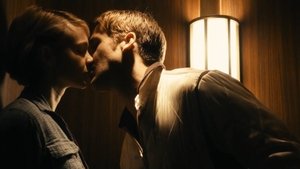
Drive (2011) - The Quadrant System
2. Bölüm

Drive (2011) - The Quadrant System

30 Ocak 20157 dk🇬🇧 EN

One of the many pleasures of Nicolas Winding Refn’s “Drive” (2011) is that the shots feel both tightly composed and weirdly unpredictable. Even though most of the images follow a simple quadrant system, Refn puts plenty of subtle touches within the frame.

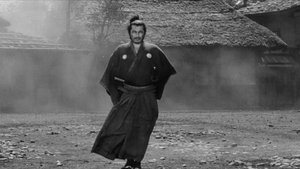
Akira Kurosawa - Composing Movement
3. Bölüm

Akira Kurosawa - Composing Movement

19 Mart 20157 dk🇬🇧 EN

Can movement tell a story? Sure, if you’re as gifted as Akira Kurosawa. More than any other filmmaker, he had an innate understanding of movement and how to capture it onscreen. Join me today in studying the master, possibly the greatest composer of motion in film history.

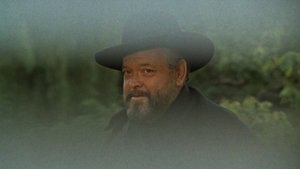
F For Fake (1973) - How to Structure a Video Essay
4. Bölüm

F For Fake (1973) - How to Structure a Video Essay

31 Mart 20157 dk🇬🇧 EN

If you want to make video essays, there’s no better film to study than Orson Welles’ 1973 masterpiece, F for Fake. There are a million lessons to take away from it, but today, let’s see what it has to teach us about structure. NO SPOILERS.

Lynne Ramsay - The Poetry of Details
5. Bölüm

Lynne Ramsay - The Poetry of Details

7 Mayıs 20157 dk🇬🇧 EN

What can one detail tell us about a scene? If you’re Lynne Ramsay: absolutely everything. Today I consider the poetic possibilities of cinema and one of our finest contemporary filmmakers.

In Praise of Chairs
6. Bölüm

In Praise of Chairs

29 Mayıs 20157 dk🇬🇧 EN

One of the great things about detailed production design is that it pays off in unexpected ways. So today I explore the weird possibilities of that most common of objects: the chair.

Chuck Jones - The Evolution of an Artist
7. Bölüm

Chuck Jones - The Evolution of an Artist

16 Temmuz 20157 dk🇬🇧 EN

If you grew up watching Looney Tunes, then you know Chuck Jones, one of all-time masters of visual comedy. Normally I would talk about his ingenious framing and timing, but not today. Instead, I’d like to explore the evolution of his sensibilities as an artist.

Vancouver Never Plays Itself
8. Bölüm

Vancouver Never Plays Itself

9 Eylül 20157 dk🇬🇧 EN

Perhaps no other city has been as thoroughly hidden from modern filmmaking as Vancouver, my hometown. Today, it’s the third biggest film production city in North America, behind Los Angeles and New York. And yet for all the movies and TV shows that are shot there, we hardly ever see the city itself. So today, let’s focus less on the movies and more on the city in the background.

Buster Keaton - The Art of the Gag
9. Bölüm

Buster Keaton - The Art of the Gag

21 Kasım 20157 dk🇬🇧 EN

Before Edgar Wright and Wes Anderson, before Chuck Jones and Jackie Chan, there was Buster Keaton, one of the founding fathers of visual comedy. And nearly 100 years after he first appeared onscreen, we’re still learning from him. Today, i’d like to talk about the artistry (and the thinking) behind his gags.

Memories of Murder (2003) - Ensemble Staging
10. Bölüm

Memories of Murder (2003) - Ensemble Staging

30 Aralık 20157 dk🇬🇧 EN

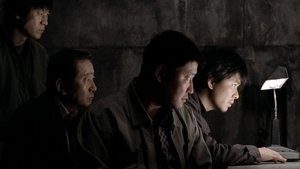
How do you emphasize to the audience that something is important? Well, you could always cut to a close-up, but how about something subtler? Today I consider ensemble staging — a style of filmmaking that directs the audience exactly where to look, without ever seeming to do so at all. NO SPOILERS. Eight Ways to Get the Audience to Look at a Character: 1) Let Them Speak 2) Make Them Brighter or Bring Them Closer 3) Let Them Move (Especially Hands or Eyes) 4) Put Them in the Center of Frame 5) Turn Them Towards the Lens 6) Separate Them from the Group 7) Isolate Them by Moving the Camera 8) Have Other People Look at Them